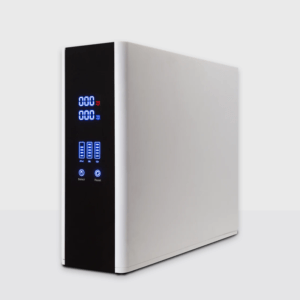
Benefits of Reverse Osmosis Filtration
Reverse osmosis (RO) filtration systems offer numerous advantages, making them a popular choice for clean drinking water. These systems effectively remove contaminants, including heavy metals, chlorine, and microorganisms, ensuring that the water you consume is safe and pure.
In addition to improving water quality, RO systems can enhance the taste of your drinking water by eliminating unpleasant odors and flavors. This process not only provides health benefits but also supports sustainability by reducing reliance on bottled water, contributing to environmental conservation efforts.
How Reverse Osmosis Works
The reverse osmosis process involves pushing water through a semi-permeable membrane that filters out impurities. This technology is designed to separate clean water from contaminants, providing a reliable source of purified water for various applications.
Typically, the system consists of several stages, including pre-filtration to remove larger particles, the RO membrane for fine filtration, and post-filtration to ensure optimal taste. Understanding how this process works can help users appreciate the effectiveness and reliability of RO filtration systems.
Choosing the Right RO System
Selecting the ideal reverse osmosis system depends on several factors, including water quality, household size, and specific filtration needs. It's essential to assess your water's initial condition and determine what contaminants need to be addressed to make an informed decision.
Additionally, considering the system's capacity, maintenance requirements, and additional features, such as mineral filters, can enhance your overall experience. Consulting with experts or customer reviews can also guide you in choosing a system that fits your lifestyle and budget.
Maintenance Tips for Your RO System
Regular maintenance is crucial for ensuring the longevity and efficiency of your reverse osmosis filtration system. This includes routine filter replacements, sanitizing the system, and checking for leaks to maintain optimal performance.
Most manufacturers recommend changing the filters every 6 to 12 months, depending on usage and water quality. Keeping a maintenance schedule can help prevent issues and ensure that you continue to enjoy clean, great-tasting water from your RO system.